People wanting a new kind of tourism found it in Germany.
A British tourist, back from the best holiday he had ever had, wrote about it in the magazine of the social service charity, Toc H.
The oddest places
He had spent 16 days, visiting cities and cathedrals, going up the Rhine, walking in the Taunus mountains, and climbing the big peaks of the Black Forest, “meeting the most delightful young Germans” while “sleeping in the oddest places”.
“Bish”, as the writer called himself, had paid £8 – about £366 in today’s money – for the entire trip. He kept his costs down, travelling by the lowest class, and eating plain food.
But, more than anything, the low prices of youth hostels made it all possible. He had paid about 6d each night at youth hostels, £1.14 today.
A straw bed and a blanket
Comfort varied. Sometimes he slept with “two in a room, once with 38, usually a dozen or so. Sometimes in an attic, sometimes in a cellar. Always with the youth of Germany, kind, hospitable, and generous.”
Some offered no more than a straw mattress on the floor, and a blanket. Others had beds, double bunked like berths in a ship, with sprung mattresses, bathrooms, sitting rooms and canteens. He couldn’t always buy a meal but almost always he could prepare his own food.
Bish ended his article with a plea. “Can’t we have something like this so that we can tramp in the hills and dales of England and have our foreign friends to join us?”
Nature, culture and fellowship
British visitors discovered the solution in Germany in accommodation known as jugendherbergen.
Youth hostels began as part of a movement, in Germany at the end of the nineteenth century, when young people, determined not to repeat the mistakes of their elders, aspired to live more simply. They celebrated nature, culture, and fellowship in walking tours, staying in accommodation specially created for the youngest among them and schoolchildren.
The first jugendbergen opened in 1909. Their use grew massively, despite the intervening war. In 1921 they recorded half a million overnight stays. By 1924 two thousand hostels, as they came to be known in English, were open.
Hospitable and generous
News of their existence spread. Barclay Baron, the editor of the Toc H magazine, went to Germany in 1928.
Baron was the son of a prominent physician from Bristol. He had been educated at Oxford and was an artist. He knew Germany from time spent living there. During the 1914-1918 war he had become involved in Toc H and its mission to improve lives. Baron dedicated his working life to its cause.
After arranging visits by schoolboys to London, where they learned about the social issues of the day, in the summer of 1928, he took a group from several schools to Germany. They spent time walking with boys and girls, staying in a youth hostel. The girls particularly impressed Baron with their easy confidence.
Baron returned full of enthusiasm for the new style of accommodation. The hostel where Baron stayed was clean and well run. The father and his family who ran the hostel struck Baron as epitome of social service.
A zeitgeist
Most of all, he saw how hostels contributed to the health and well-being of young people in Germany. Like Bish, Baron wanted something similar for Britain and he began talking with others.
In 1929 Toc H members based in Nottingham arranged more holidays staying in youth hostels in Germany. Baron made a second trip to Germany.
Another group led by Tom Fairclough, the catering secretary of a walking group from Liverpool, went to Germany aiming to find out more about youth hostels. Fairclough like Baron returned full of enthusiasm for youth hostels.
Ready
By 1929 a new kind of tourism had found its home. Deep rooted support demanded the new model from Germany in Britain too.
Widespread collaboration brought it about. Today, different people in different places are developing models of sustainable tourism, sometimes without knowing it. Airbnb had some of the elements in its inspiration of hosts sharing accommodation using air beds. Who knew how that would turn out?
Centre Parcs and holiday villages offer another concept, of accommodation built for tourists. But bringing them together, creating an easily understood concept and something new that is truly sustainable, will require widespread collaboration and deep rooted support, just as youth hostels did at their beginning.
Notes
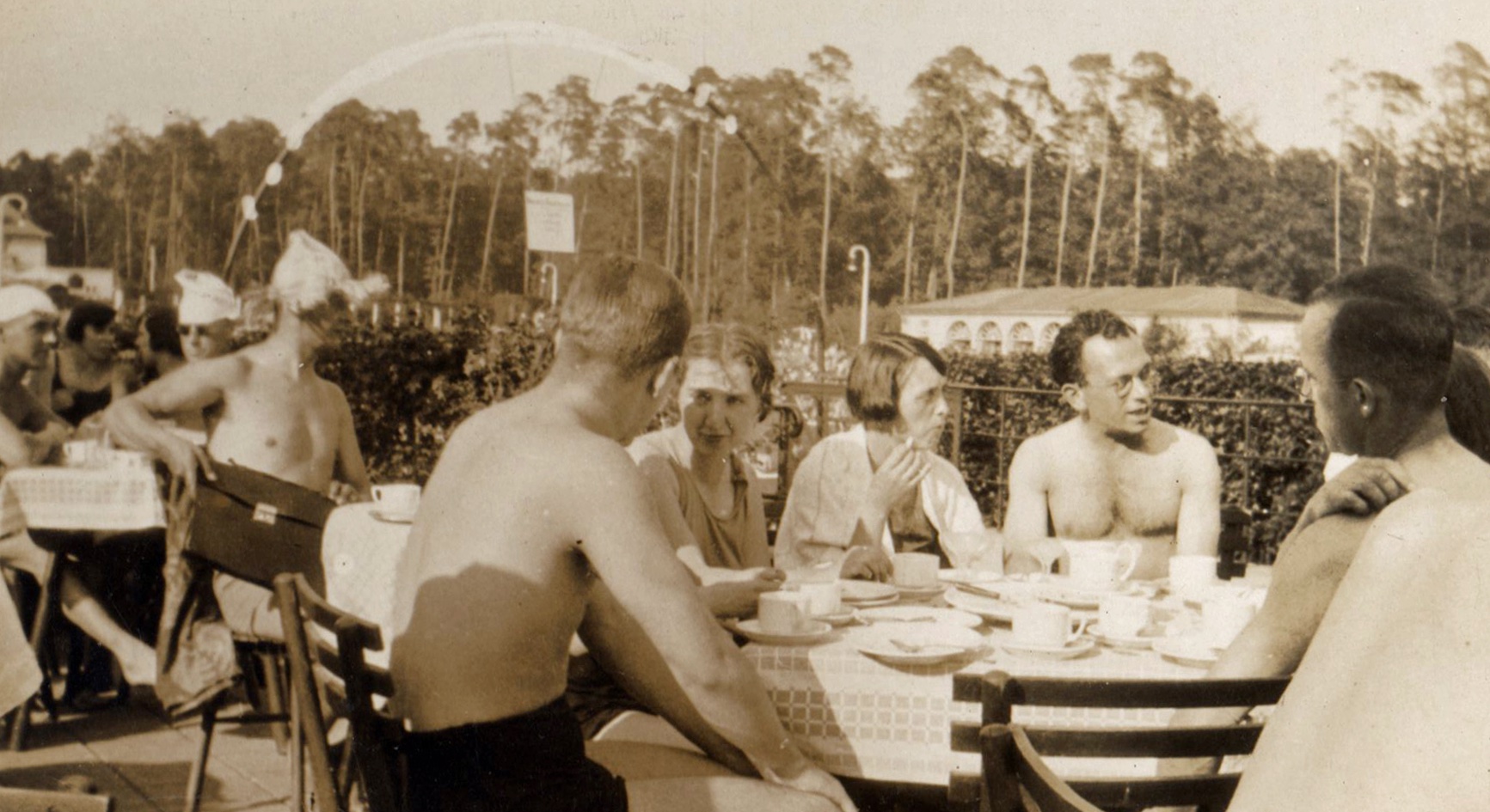
Image from the visit to Germany by Tom Fairclough and friends from Liverpool. Thanks to Tom Fairclough’s daughter, Gillian Hutchinson, who has made the photos available to the YHA Archive, at the Cadbury Research Library, University of Birmingham.
All quotes from the Toc H Journal 1928, May 1928. Thanks to Steve Smith. This article is all about collaboration! Without his research I wouldn’t have known about these visits by Toc H members to youth hostels in Germany.
Sterling equivalent from the National Archives currency convertor.
 SIMPLY HOSTELS
Leave a comment